An Antidote to Screen Time
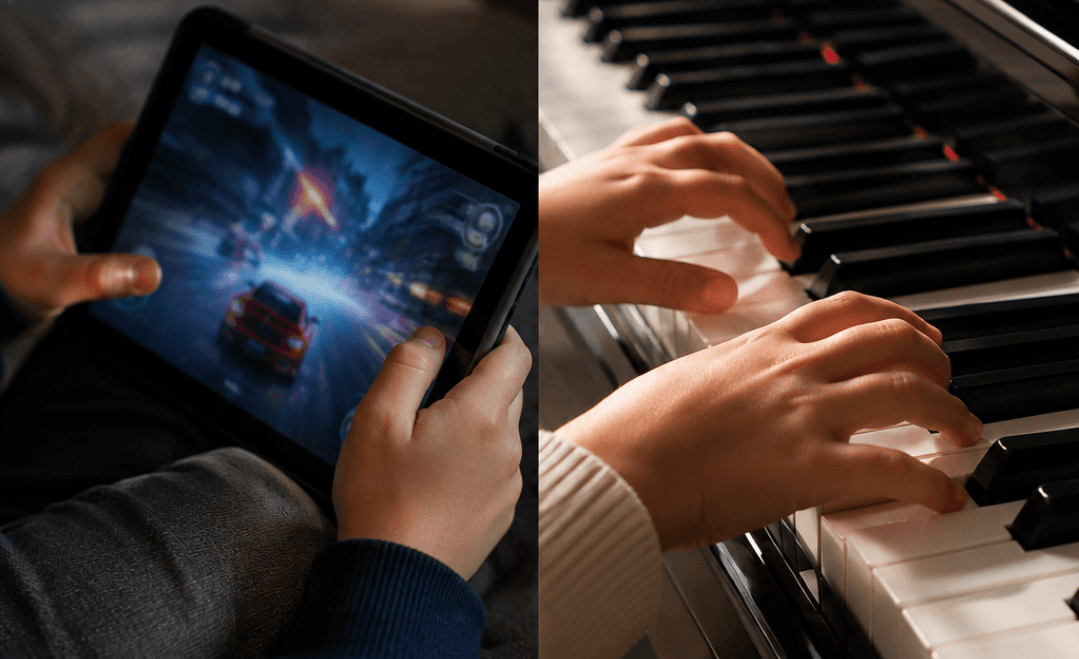
Parents everywhere are concerned about screentime, ourselves included.
Every conversation about youth today eventually circles back to screen time. Schools are passing phone bans. Parents are locking down app limits. Lawmakers are debating social media guardrails. Tech giants are negotiating settlements to block app usage.
These steps are understandable, but restriction alone is a losing battle. You cannot simply take away a child’s primary digital world and leave an empty void. Kids don’t just turn to screens because they are addicted to the constant pings—they turn to them because they crave agency, interactivity, and a sense of connection to the rest of the world.
Creating an alternative to screentime
The solution isn’t subtraction, it’s substitution. Banning screentime isn’t enough. We need something better. If we want to pull students away from algorithmic feeds, we have to give them an outlet for their energy, imagination, and self-expression.
One option is to replace passive consumption with a new, creative obsession: piano.
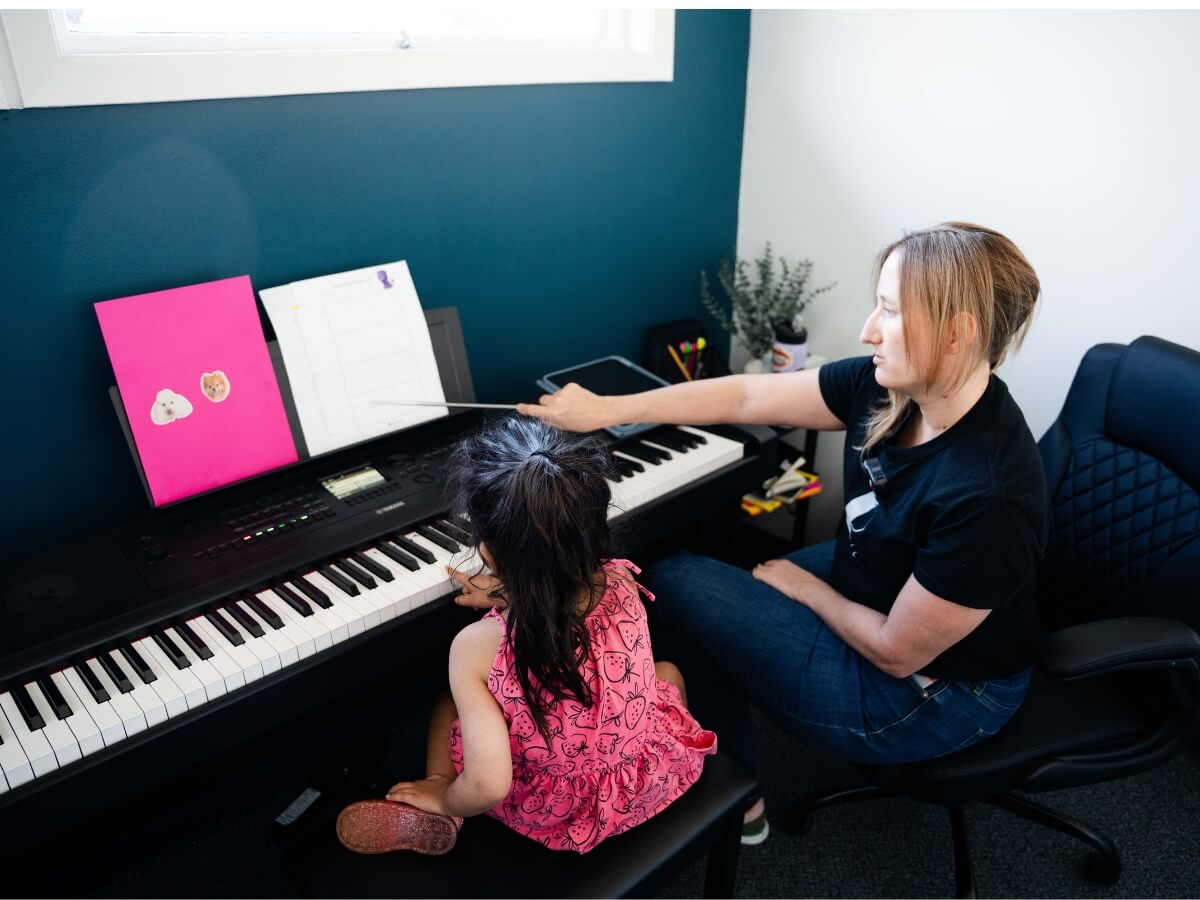
I’m not theorizing about this from my tech and education background, but also as a parent. I have firsthand experience of watching this play out with two of my own children. When a child sits at a keyboard, they aren't just consuming someone else’s narrative—they are authoring their own. Piano offers the same deep flow state, hands-on interactivity, and instant feedback loops that make screens so compelling. The difference? Instead of draining their attention, it builds lifelong cognitive skills, emotional resilience, and authentic confidence.
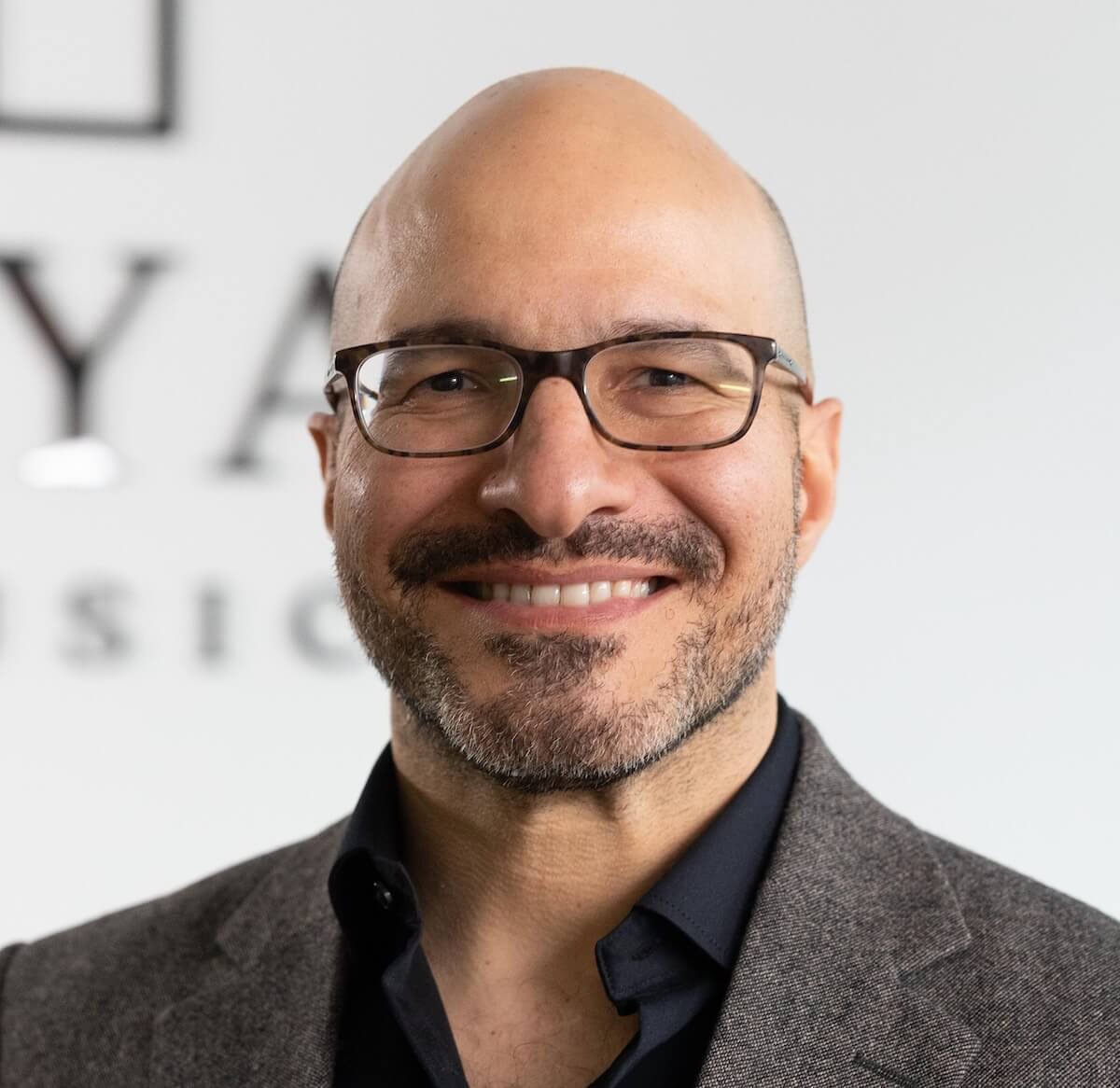
That conviction is exactly why I became CEO of Payam Music.
After spending over a decade at Code.org scaling computer science education to hundreds of millions of students worldwide, I wanted to bring that same transformative momentum to my lifelong passion for music. For too long, traditional piano pedagogy has relied on outdated, rigid methods that cause kids to quit before they ever discover the joy of playing.
The Payam Method fundamentally changes the equation.
Giving children a creative outlet
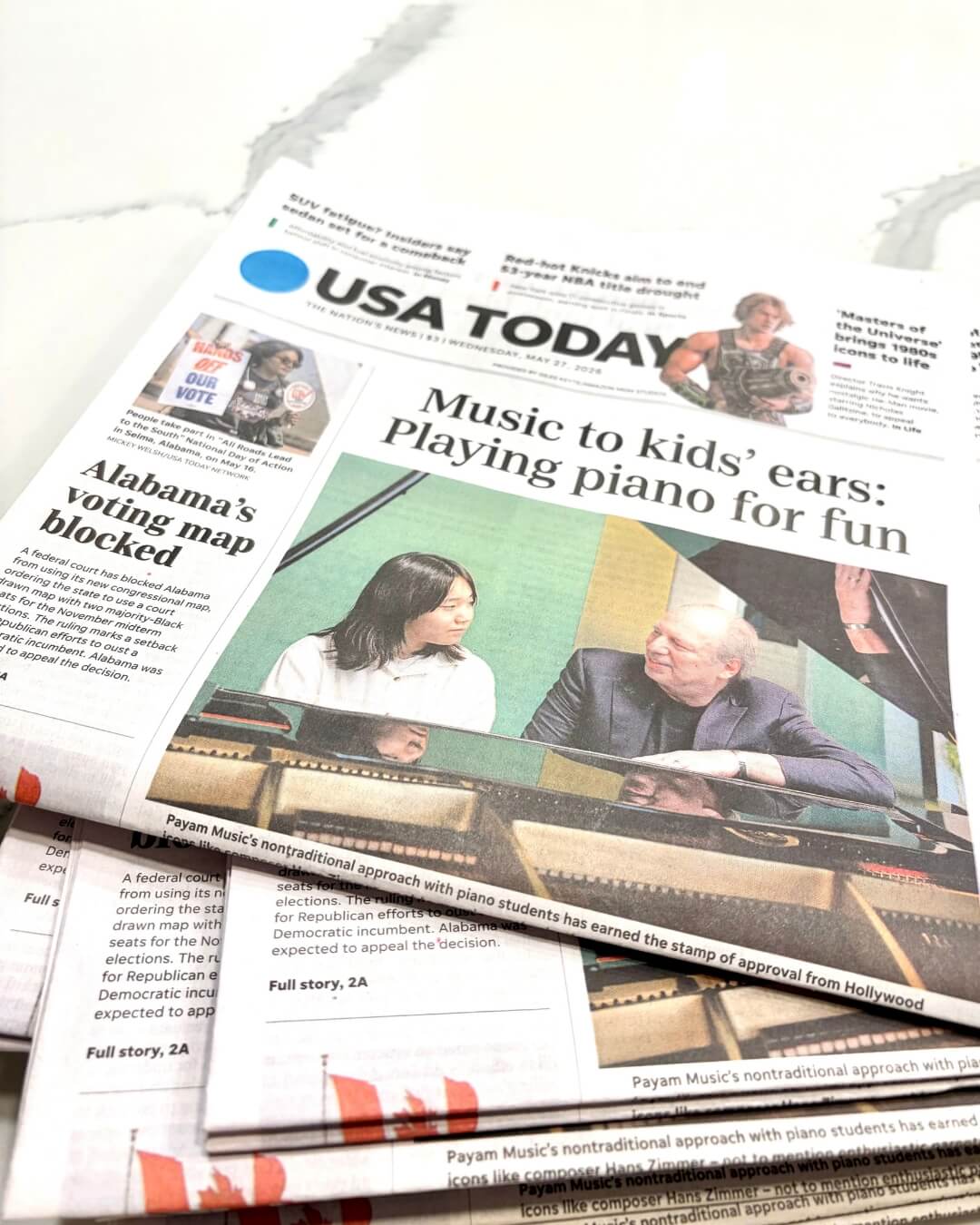
Endorsed by Hans Zimmer on 60 Minutes, the Payam Music curriculum doesn't just help students learn faster—it empowers them to write their own original music and discover their unique creative voice. Instead of piano feeling like homework, it becomes the creative highlight of their week. Neuroscientists have even shown that playing piano instead of using screens can improve a child’s attention span.
This is also one of the reasons why Mark Cuban decided to invest in Payam Music: to help get kids off of their screens. You can hear it in his own words from our conversation about the school (see short video).
So, if you’re a parent like me, and you’re stressed out about managing your child’s screen time, I recommend helping them find a new obsession that builds their future. It could be sports, or the arts. And if you want to give them the gift of piano, please have them try Payam Music. Payam Music offers 1-on-1 lessons both in person and online nationwide. Space is limited, so if you want to unlock your child’s creative potential, sign up today or join our waitlist.
Fall in Love with Piano. ❤️🎹❤️