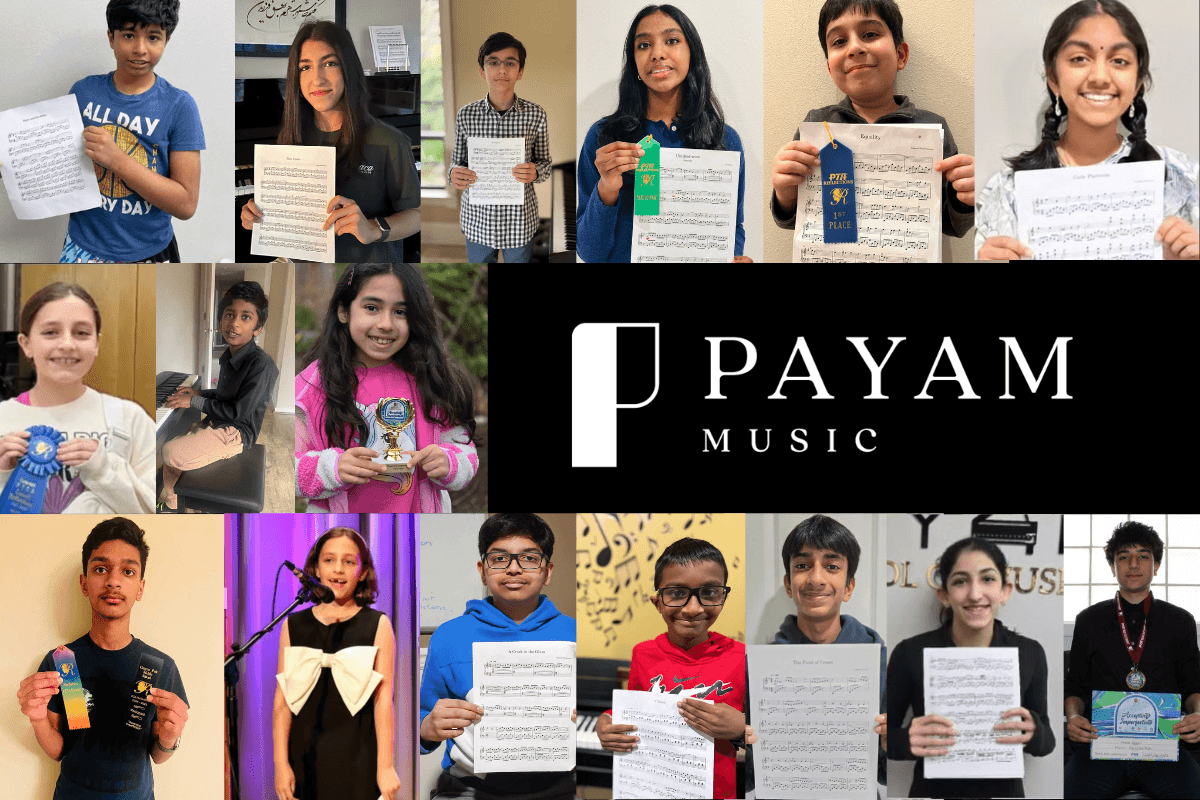
How to tell if a student is making progress at the piano
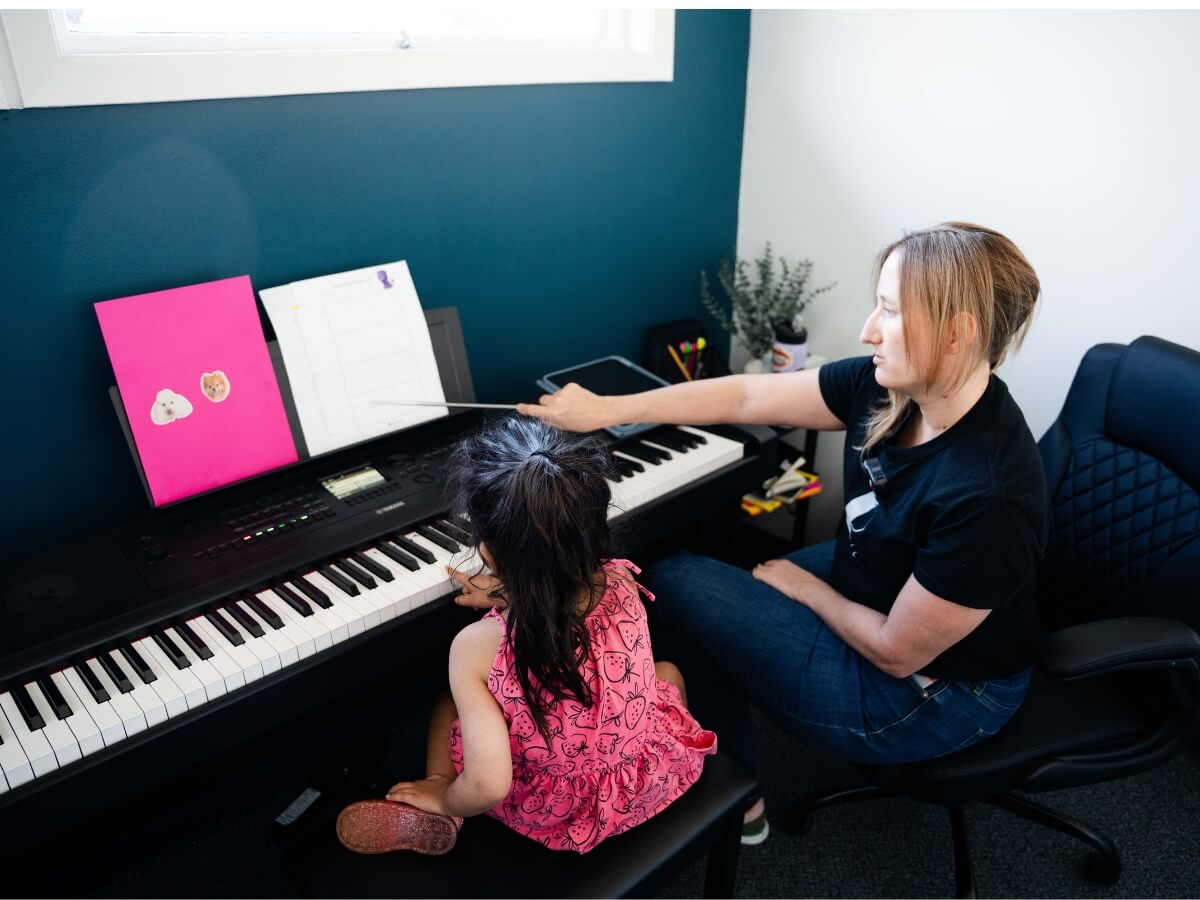
Learn how to look for signs of progress when learning to play piano
Progress at the piano is easy to feel, but can be harder to measure. Advancing through the levels and mastering concepts is certainly one of the most common ways to track progress, but there are other ways to evaluate a student’s learning progression.
The signs you can count
Advancing to the next level
The Payam Music curriculum we developed has 18-levels, and each one has clear requirements. Our educators are trained to watch and listen for a student’s readiness to move to the next level. Unlike some piano methods, we don’t wait for perfection. If a student is forced to play the same song over and over again, they can lose interest. Each level has sub levels within it, which intertwines and builds on the concepts and objectives for each level. Our instructors look for a demonstrated understanding of the material as a signal to start the next level.
Mastering a concept
We believe in celebrating milestones, big and small. For our beginner students, that could be learning how to play chords or playing hands together. For another student, it could be playing without looking at their hands. For our more advanced students, it can be mastering polyrhythms, expressive phrasing, or advanced dynamics that bring a piece to life.
Composing a song for the first time
Playing music and writing music are different skills, and both are valuable in their own way. Most piano lessons train children to reproduce a piece someone else created, often from decades (to hundreds!) of years ago. At Payam Music, we think students should be able to express themselves with musical creativity. Students get the opportunity to compose their own song at the end of every key level in our curriculum. The reason for this is to demonstrate their understanding of the concept they just learned, because what better way to show that than to use it to write your own song! Writing music can be intimidating, but it’s also incredibly rewarding. Nothing’s more satisfying than creating a song that didn't exist before you sat down at the piano. One of our Level 5 students wrote a song called, “The Fascinating Capybara.” She printed an extra copy to show her friend at school what she did in piano class!
The Payam Method gives students the tools to play and write music right away. The first original piece, no matter how short, demonstrates to the student and their teacher that they are able to apply what they have learned, not just reproduce it.
Performing at a recital
Playing in front of an audience takes a different level of confidence than playing for a teacher or privately at home. The preparation process is even more important than the performance itself. To perform at a recital, the student has fully mastered a piece and has built the confidence to perform it in front of an audience. While we don’t require our students to perform at recitals, our instructors encourage and support the milestone.
Reflection
One way to experience progress is to go back and play a song from a few months ago, or even a few weeks ago. What was once hard, will feel easy. Students rarely notice their own improvement day to day. But when you play a piece from the past, a student can hear and feel how far they’ve come. It’s kind of like math – concepts that seemed impossible a few months ago become second nature.
Passing exams
Structured exams measure technique, theory, and ability against a pre-determined standard. The diploma is the proof point Payam Music uses in our schools. There are multiple different diploma exams held by the conservatories such as the RSL, RCM, and ABRSM. These diploma exams represent a prestigious performance standard that demonstrates professional-level musicianship, technical mastery, and artistic expression beyond traditional grade examinations. Within four years, 96 percent of our students reach diploma-level proficiency. The national average is closer to two percent across 12 years.
Becoming a teacher
Many students who graduate from the Payam Music schools return to teach and mentor younger students. There is pride in graduating from student to teacher and giving back to the community they grew up in. The school becomes a place they belong to, not just attend. In fact, two of our former students who became teachers are now School Directors in Washington and California!
Being selected for mentorship at Bleeding Fingers
For a small number of students, progress opens doors beyond piano lessons. Starting in 2026, Bleeding Fingers, the music studio co-founded by Hans Zimmer, is mentoring Payam Music’s best composition students and giving them behind-the-scenes access to the world of music composition.
The signs you can feel
Not all progress is external and measurable. Sometimes the best signs of progress are the ones that are harder to pinpoint.
Confidence
As instructors, there is nothing more rewarding than watching a student’s confidence blossom. Confidence can take many forms. It could be a student who used to hesitate now sits down and plays without any nudging or reminders. Other signs include a change in posture, a willingness to take on a harder piece, or even something as simple as smiling at the end of a song.
Playing for (and with!) others
When a student offers to play for a grandparent or a friend without being asked, that’s a real sign of progress. Payam Music CEO Hadi Partovi knew he wanted to lead the organization when he heard his own son playing piano with a friend (instead of playing video games!). When an instrument has become something to share rather than something to get through, that’s a huge sign of progress and love for music.
Playing for fun
The clearest sign of all is the student who plays when they don’t have to. Our instructors provide suggestions and guardrails for practice between lessons but are purposely not super strict about practice because we believe that if a student is intrinsically motivated to practice, they will get better faster.
If you love what you do, you’ll get good at what you do. Now imagine you love the instrument, you love the teacher, and you love the songs. There's no way you won't become successful.
What to watch for
Most students show progress across several of these measures at once. A diploma rarely arrives without confidence preceding it, and a first composition is often followed by playing for fun. If you're looking for proof that lessons are paying off, you'll usually find more than one way to document progress. The trick is to keep your eye on the cumulative progress, not just the milestones with a date attached.
Progress is rarely a straight line. But progress is almost always there, and once you know where to look, it's hard to miss!
How can I tell if my child is making progress at the piano?
Progress shows up in ways you can count and ways you can feel. Countable signs include advancing through curriculum levels, mastering a new concept, composing a first song, performing at a recital, and passing diploma exams. Signs you can feel include growing confidence, offering to play for others, and playing for fun. Most students show progress across several of these at once.
How long does it take to reach diploma-level proficiency in piano?
At Payam Music, 96 percent of students reach diploma-level proficiency within four years. The national average is closer to two percent across 12 years. Diploma exams measure technique, theory, and performance against a professional standard.
What is diploma-level proficiency in piano?
Diploma-level proficiency is a prestigious performance standard that demonstrates professional-level musicianship, technical mastery, and artistic expression beyond traditional grade examinations. Diploma exams are offered by conservatories and measure a student's ability against a pre-determined standard.
How do piano teachers measure student progress?
Instructors watch for a demonstrated understanding of the material rather than waiting for perfection. They look at readiness to advance levels, mastery of new concepts, first compositions, recital performances, and exam results, along with less measurable signs like confidence, posture, and a willingness to take on harder pieces.
When do piano students start composing their own music?
At Payam Music, students compose their own song at the end of every key level in the curriculum. Writing an original piece, however short, shows that a student can apply what they have learned rather than only reproduce music written by someone else.
Do piano students have to perform at recitals to show progress?
No. At Payam Music, recitals are encouraged but not required. Performing for an audience takes a different kind of confidence than playing for a teacher or at home, and the preparation process matters even more than the performance itself. Students perform when they feel ready.
How many levels are in the Payam Music curriculum?
The Payam Music curriculum has 18 levels, each with clear requirements and sub-levels that build on one another. Instructors are trained to recognize when a student is ready to move up based on demonstrated understanding, not on repeating the same song until it is perfect.
What are the signs a child enjoys piano lessons?
The clearest sign is a student who plays when they do not have to. Others include offering to play for family or friends without being asked, and growing confidence at the keyboard. When an instrument becomes something to share rather than something to get through, that is a strong sign of a love for music.
Does Payam Music require a set amount of practice?
Instructors give suggestions and guardrails for practice between lessons but are purposely not strict about it. Students who are intrinsically motivated to practice tend to improve faster, so the focus is on helping students love the instrument, the teacher, and the songs.