Payam Music vs Traditional Lessons

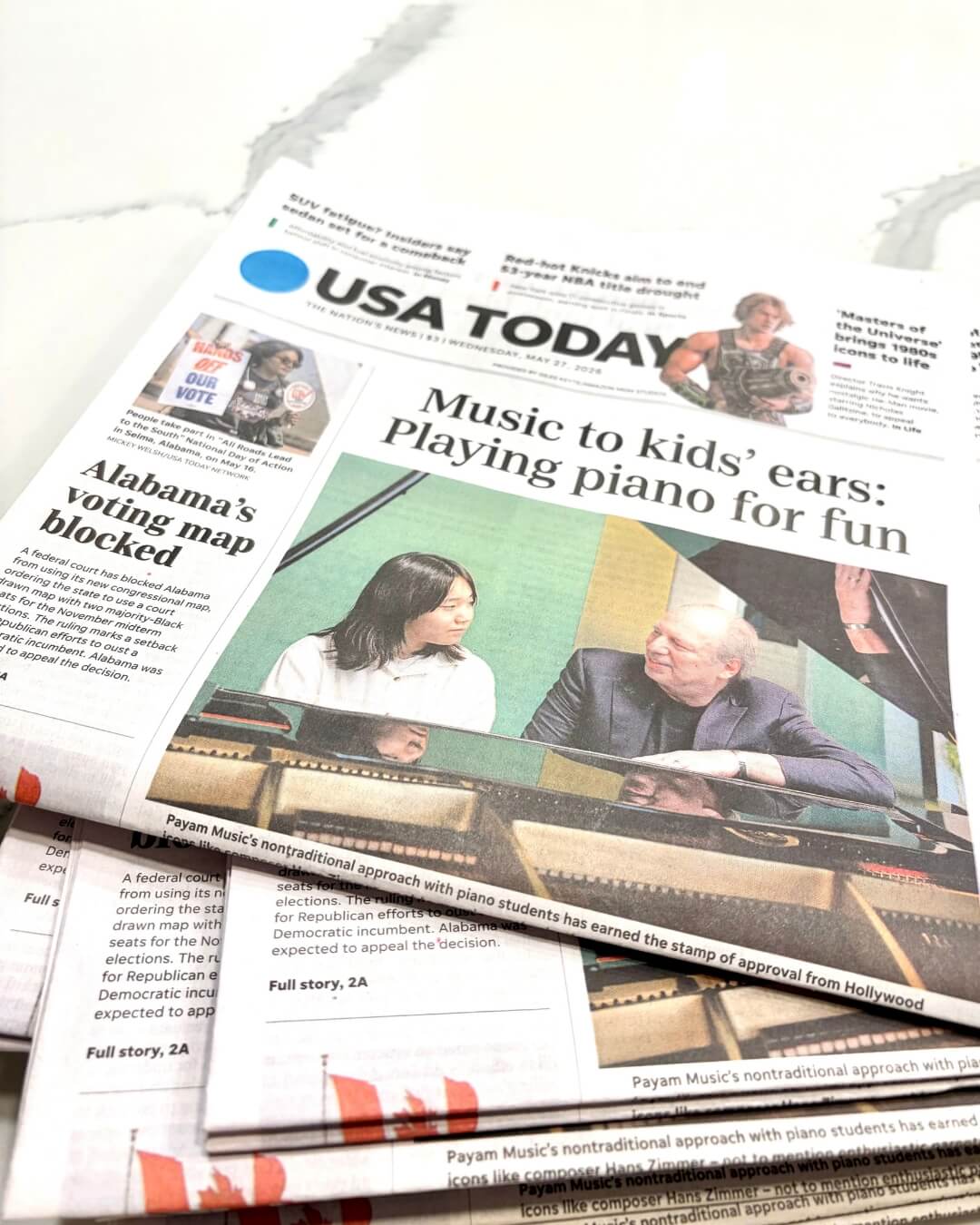
Music is still taught the same way as when Mozart learned. We’re on a mission to change that.
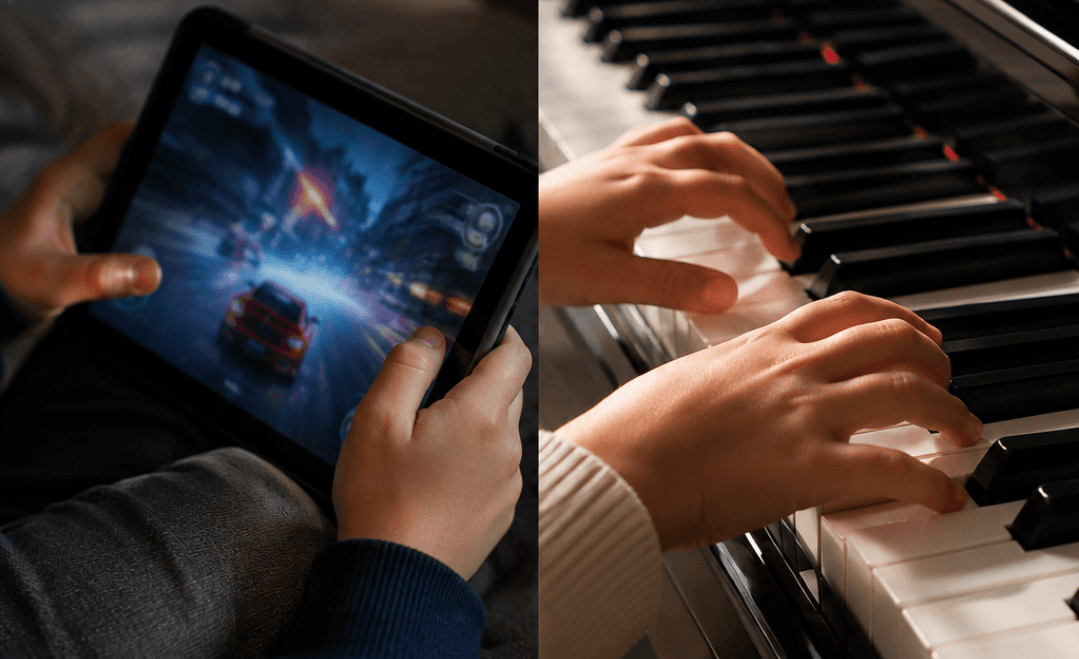
When it comes to learning music, piano has been taught the same way for hundreds of years. But the other thing that hasn’t changed for generations? Kids hate practicing, find the songs they learn boring, and quit. Learn how piano lessons at Payam Music are different.
Time to diploma aka the black belt of piano
One of the most significant differences between Payam Music and traditional lessons is the time it takes to reach diploma level. If you’re unfamiliar with diploma, it’s like the black belt of the piano world. At Payam Music, 96% of our students reach diploma level in just four years, compared to 12 years with traditional lessons. And only 2% of students who learn with the traditional method even make it to diploma! Our exceptional teachers and personalized curriculum help students gain mastery, build confidence, and progress 3x faster than the norm.

Song choice
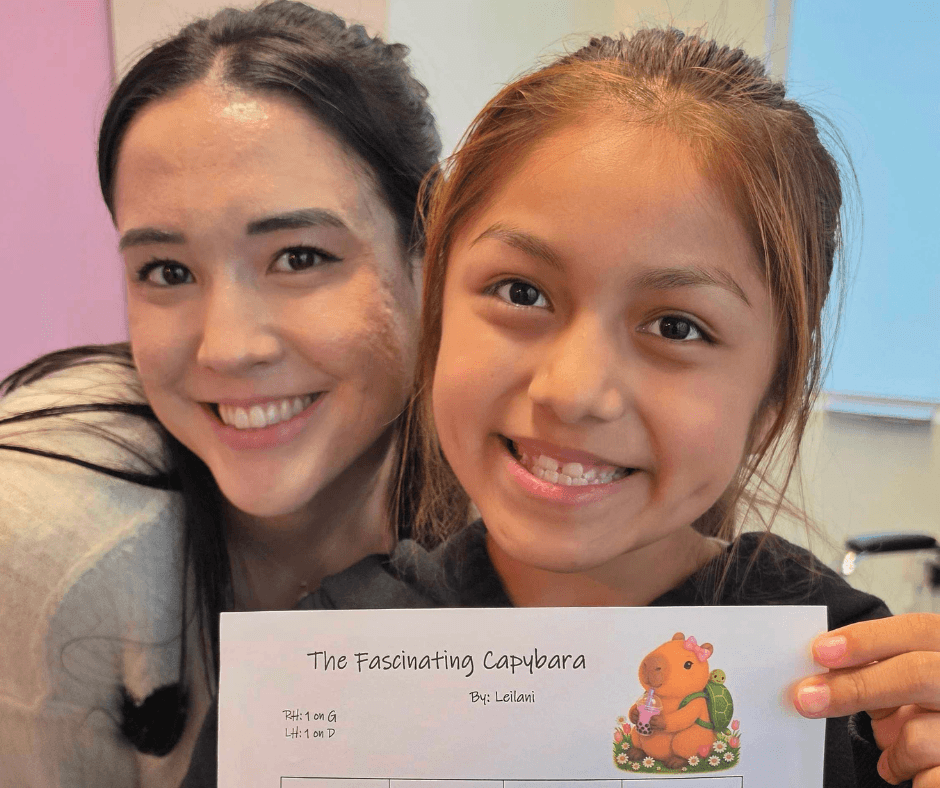
Another way our approach is different is that students get to pick the songs they want to learn. Payam Music students learn to play the songs and music genres they love as the rule, not the exception. Traditional lessons rarely offer this flexibility. They focus solely on set pieces, typically classical, that instructors can just print for students. However, our school is quite different as we build our own curriculum in-house. This means that when a student is learning a specific technique, if they have a song they’d like to play, we can write it out based on their level and the technique they’re learning. Our personalized approach keeps students engaged and motivated. Who wouldn’t rather play a song they like instead of a song they’ve never heard before?
Customized and personalized curriculum
Payam Music’s curriculum path is tailored to each student's individual abilities, in terms of song selection, learning speed, learning style, and feedback style. The songs a student learns is just as important to how those songs are taught to each individual student. Within a lesson, a teacher can choose which songs a student should learn based on their demonstrated mastery of techniques. Traditional lessons, on the other hand, typically follow a rigid, book-based curriculum. This one-size-fits-all approach rarely fits at all.
Access to specialized teachers
One major advantage of going to a music school instead of in-home lessons is that students have access to a group of teachers who have varying teaching styles which focus on a broad set levels, genres, and techniques. This allows students to learn from more than one teacher based on their interests, potential, and needs. Traditional lessons, however, usually involve just one teacher, which may limit a student's exposure to different teaching styles, personalities, and growth opportunities.
Inspiration and community
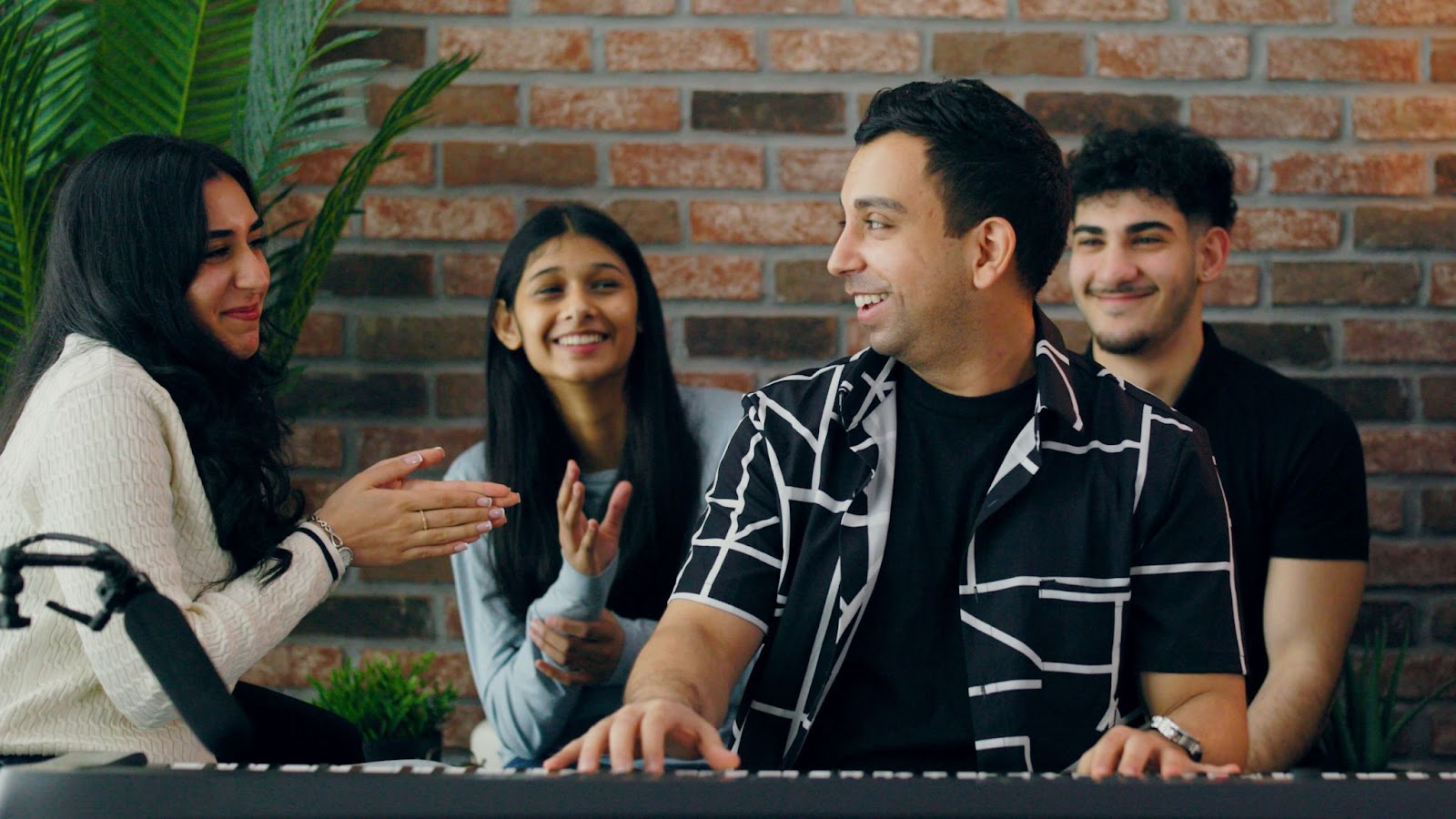
Being part of a music school like Payam Music fosters community and is a source of inspiration for students, parents, and teachers. Younger students love hearing the older students play and it encourages them to practice! Older students love learning from different teachers and many aspire to teach themselves. Once our students graduate from our schools and pass diploma level, many of them stay on to help teach and motivate our youngest generation of students. Traditional lessons often lack this sense of community, as students typically learn in isolation.
Learning a new instrument can be hard! That’s why we believe our approach is more successful than traditional lessons. Our teachers and schools create a fun, supportive environment where students get the personalized curriculum they need to be successful, both in their progress and their confidence.
Frequently asked questions
Q: How much faster do Payam Music students progress compared to traditional lessons? A: Payam Music students progress approximately 3x faster than traditional lessons. At Payam Music, 96% of students reach diploma level (the black belt of piano) in just four years, compared to the traditional method where it takes 12 years and only 2% of students ever reach that level.
Q: What's the key difference between Payam Music's song selection and traditional piano lessons? A: Traditional lessons typically follow a rigid, book-based curriculum where every student learns the same set pieces, usually classical compositions. Payam Music, on the other hand, allows students to choose and learn the songs they want to play based on their individual interests and musical preferences. This personalization keeps students engaged and motivated because they're practicing music they actually enjoy.
Q: How does learning from multiple teachers at Payam Music benefit students? A: Unlike traditional in-home lessons with a single teacher, Payam Music schools provide access to a group of specialized teachers with varying teaching styles who focus on different levels, genres, and techniques. This allows students to learn from more than one teacher based on their interests, potential, and needs, providing exposure to different teaching approaches and growth opportunities.
Q: Does Payam Music create a community environment for students? A: Yes, one major advantage of Payam Music schools is the sense of community and inspiration they foster. Younger students are motivated by hearing older students play, and many older students aspire to become teachers themselves. After students graduate and pass diploma level, many stay on to help teach and mentor younger students, creating a more supportive community environment than traditional in-home lessons.
Q: What is diploma level and why does it matter? A: Diploma level is considered the "black belt" of the piano world, representing mastery of the instrument. It's a significant achievement because only 2% of piano students studying traditionally reach it within 12 years. At Payam Music, 96% of students achieve diploma level in just 4 years, demonstrating the effectiveness of the Payam Method combined with exceptional teachers and a supportive community.